For many OEMs (Original Equipment Manufacturers), sourcing molded parts means working with multiple suppliers; one for rubber seals, another for cast urethane components and a third for plastic parts. Each vendor has a different quoting process, engineering approach, production timeline and quality system. The result? More emails, more tracking and follow-up, and more opportunities for delays.
There is a better, and far more efficient, way.
Manufacturers can simplify supplier management by consolidating rubber, urethane and plastic components with a single partner, Molded Dimensions Group. An additional benefit: OEMs gain access to broader engineering and material expertise.
Why Material Consolidation Makes Sense
Managing multiple suppliers adds complexity to projects at every stage, including:
- Separate quotes and purchase orders
- Different quality and documentation standards
- Inconsistent lead times
- Multiple engineering contacts
- Increased risk of communication errors
When one supplier supports all three material families, your team sends the request once and works with a single, accountable partner from design through production.
That means fewer handoffs and less time spent coordinating vendors.
Better Material Recommendations
An important, valuable advantage of working with a multi-material supplier is objective material guidance.
Too often, parts may be designed using materials that have “always worked,” even when another option may offer better performance, lower cost or be easier to manufacture.
Because Molded Dimensions Group engineers and chemists work with rubber, urethane and plastics every day, they can evaluate your application and recommend alternatives based on:
- Mechanical requirements
- Environmental exposure
- Wear resistance
- Production volume
- Tooling costs
- Long-term performance
For example, a rubber component may be better suited for improved abrasion resistance than cast urethane, or a machined plastic part may be converted to injection molding to reduce per-piece cost.
A cross-material perspective helps customers make data-driven decisions rather than simply defaulting to legacy specifications (“doing it that way because we’ve always done it that way”).
Engineering Support That Reduces Risk
Consolidation is more than convenience; it’s working with a partner who can be proactive and identify risks before they become problems.
Molded Dimensions Group provides:
- Design-for-manufacture (DFM) recommendations
- Material selection guidance
- Tooling and launch management
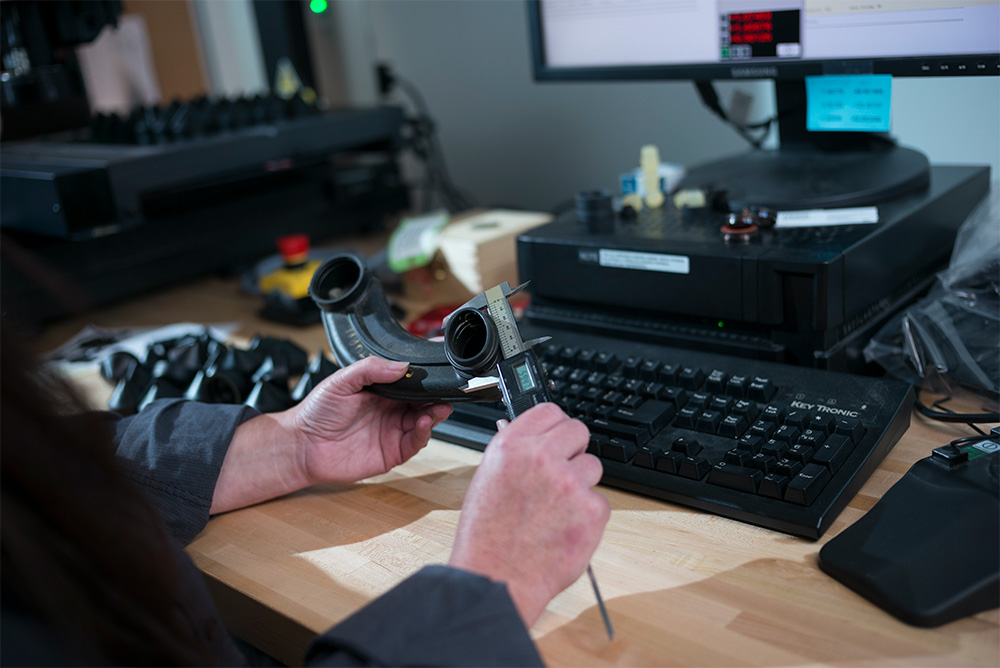
- Quality documentation and traceability
- Project coordination from prototype to production
OEMs rely on Molded Dimensions Group because they do not have time for handholding. The Molded Dimensions team closes gaps and keeps programs moving forward without friction.
A True Partner offering Peace of Mind
When you consolidate rubber, urethane and plastic sourcing with an experienced supplier, you reduce administrative burden and gain confidence that every part will meet expectations.
Instead of managing multiple vendors, you have one responsive partner focused on delivering consistent, cost-effective, on-spec outcomes.
If your team is looking to simplify molded-part sourcing while uncovering smarter material options, Molded Dimensions Group offers the engineering depth and manufacturing capabilities to make the process feel effortless.